

"Offline-First" Is a Policy Choice, Not a Technical One
When a system is designed to work without the cloud, it isn't lowering its ambitions — it's deciding who gets to be included. Here's why offline capability belongs in the ministry conversation, not just the engineering one.
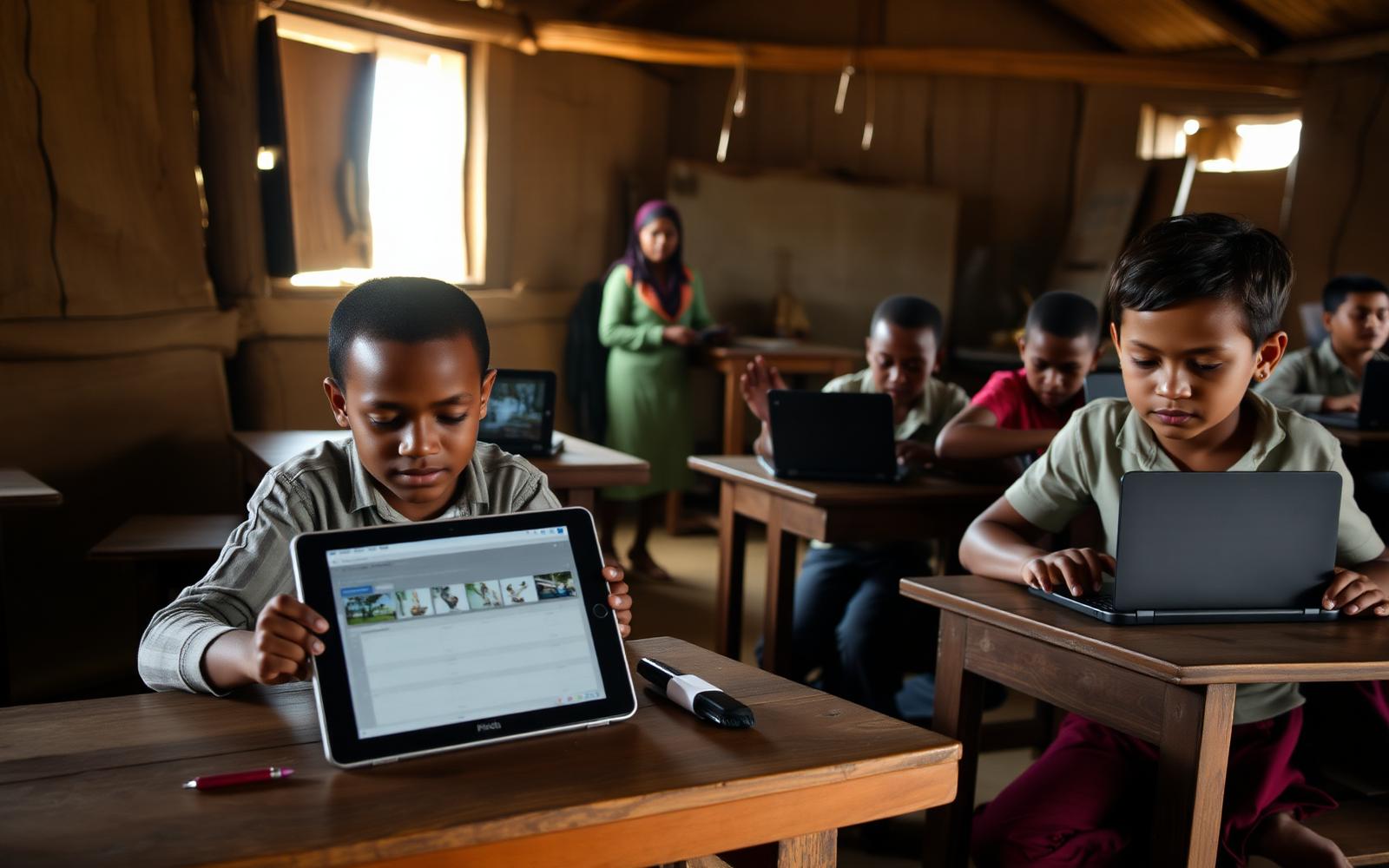
Every education system makes a quiet decision when it chooses its technology: which classrooms count. A platform that only works with reliable connectivity has already drawn a map — and the schools at the end of the road, on the far side of the grid, are off it.
Offline-first flips that decision. When intelligence runs on the device and in the school rather than in a distant data centre, the classroom in a well-connected capital and the classroom four hours past the last cell tower run the same system, at the same standard, on the same day. Connectivity becomes a convenience, not a condition of entry.
That is why we treat offline capability as a matter of policy rather than plumbing. It determines whether a national rollout reaches 60% of schools or 100% of them. It decides whether digital transformation widens the gap between urban and rural learners or closes it. And it protects a ministry's investment against the one variable no procurement contract can guarantee: the network.
The technical work — edge processing, local models, resilient power — is the means. The end is a simpler commitment: no school is too remote to be included by design.