

The Language a Child Thinks In Is Not a Technical Detail
The debate about technology in schools is usually about screens, signal, and cost. The one that quietly decides whether a child learns is older than any of them: what language the lesson is in. For a national system, teaching in the languages a country actually uses is not a localisation task to handle after launch — it's a decision about which children are included at all.
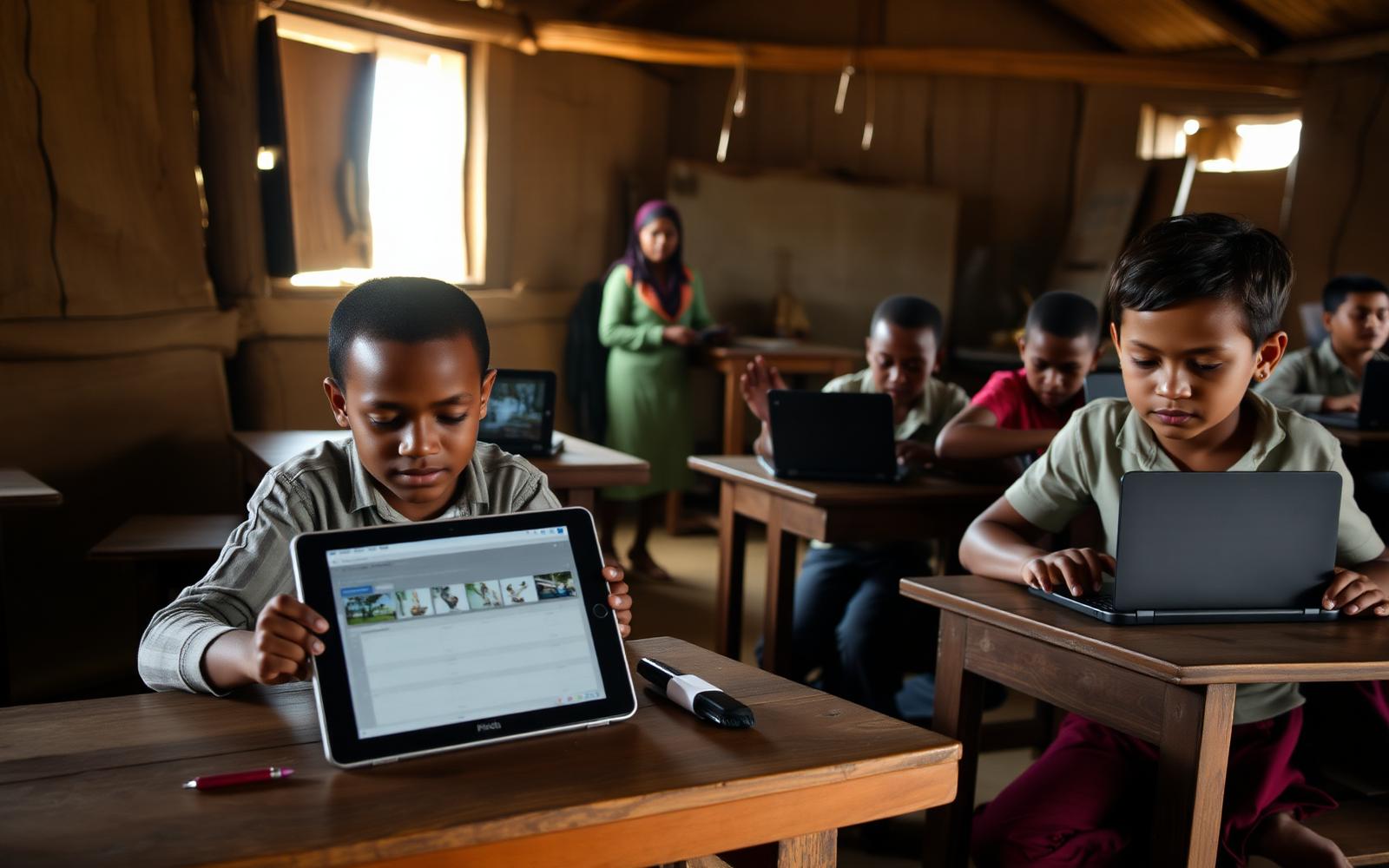
The debate about technology in schools is usually about screens, signal, and cost. The one that decides whether a child actually learns is quieter and older: what language the lesson is in. A child who is still translating the teacher in their head before they can begin to think about the problem is carrying a tax no reform has priced — and it falls hardest on exactly the children a national programme most wants to reach.
The evidence has pointed the same way for decades, across very different systems: children learn to read, to reason, and to stay in school fastest in a language they already think in, and the early years are where it matters most. Most ministries know this. Many national curricula are written around it. The gap is rarely the policy. It's that the materials, the teacher support, and the assessments never quite arrive in all the languages the policy names — least of all in the schools furthest from the capital, where the local language is often the only one a young child has.
The multilingual classroom is the normal case, not the special one
In most of the countries building national digital programmes today, a single classroom can hold a national language of instruction, an official language the exams are still set in, and one or more local languages the youngest children actually live in. Technology built in one language and "localised" later treats this as an exception to be patched. It isn't an exception — it's the median classroom. A system that can't teach in the languages a country actually uses has, quietly, decided which children it's for. And it's usually not the ones who need it most.
What one integrated system can do that a shelf of apps cannot
This is where the architecture stops being abstract. Because NDX aligns to the national curriculum as one coherent system — rather than stitching together separate apps that each speak their own language and store their own data — a lesson, its assessment, and its teacher guidance can be produced in the languages the curriculum sets, and kept consistent across all of them. The version a rural child receives is held to the same standard as the capital's, not shipped as a thinner translation. And because the system runs offline, on the hardware already in the school, that multilingual material reaches the classroom four hours past the last cell tower on the same day it reaches the city — which is precisely where the need for the local language tends to be greatest.
None of this removes the teacher's judgment about when to bridge from a home language toward the language of examinations. That's a professional decision, and the system's job is to support it, not to override it. What changes is that the teacher is no longer forced to make that bridge alone, improvising with materials that only exist in one language.
“A system that cannot teach in the languages a country actually uses has quietly decided which children it is for.”
The cost of getting this wrong isn't abstract. It's the child labelled slow when they were only translating. It's the rural school where a promising programme never took hold because it spoke the wrong language. It's the widening distance between the children who happen to grow up in the language of instruction and the ones who don't — a gap a national programme is supposed to close, not deepen.
This is exactly what NDX is built to deliver. One integrated, nationally-owned platform that aligns to your curriculum and produces lessons, assessment and teacher guidance in the languages your system actually teaches in — kept consistent across all of them, and running offline on the hardware already in your schools. The child learning in a local language four hours past the last cell tower gets the same standard as the child learning in the official language in the capital. Not a thinner translation reached later, but the same system, on the same day.
The language a child thinks in is not a technical detail to be handled after the launch. It's close to the whole question of whether a national system includes them at all. If you're designing a programme that has to reach every classroom — in every language your country teaches in — that is the conversation NDX is built for. See how it works, or start that conversation, at ndx.education.