

What we’re doing.
Announcements, events and updates as we work alongside ministries and schools across Africa, the Middle East and Asia-Pacific.
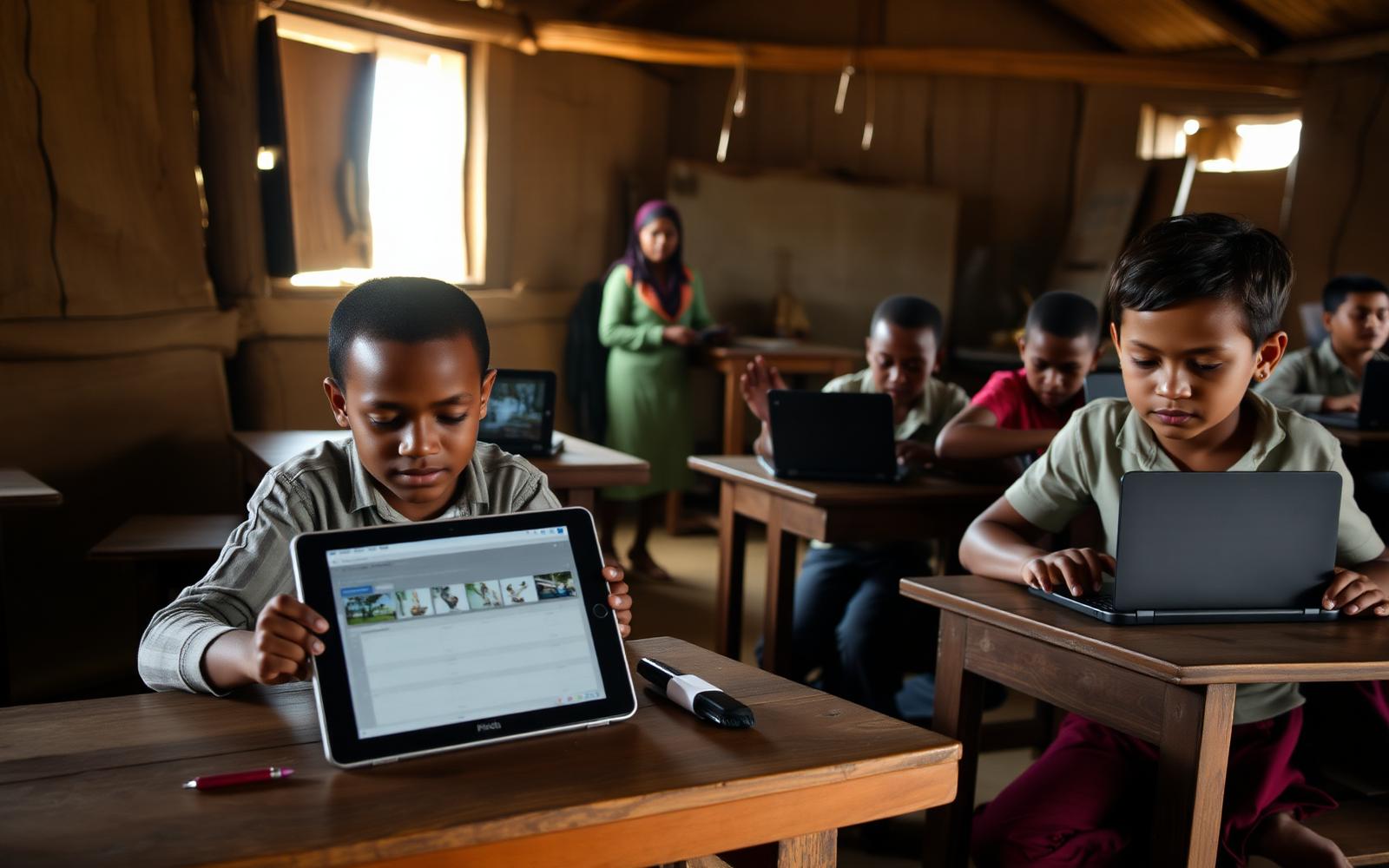
A Country Can't Improve What It Can't See
Every ministry is asked to raise standards while flying half-blind — the real picture of what's working scattered across a dozen systems that don't talk to each other. The value of one integrated platform was never tidiness. It's that a country can finally see its own classrooms clearly enough to act on them — including the ones furthest from the capital.
The Language a Child Thinks In Is Not a Technical Detail
The debate about technology in schools is usually about screens, signal, and cost. The one that quietly decides whether a child learns is older than any of them: what language the lesson is in. For a national system, teaching in the languages a country actually uses is not a localisation task to handle after launch — it's a decision about which children are included at all.
Build for the Hardest Classroom First
The instinct in every national programme is to prove it where it's easiest — the connected school, the flagship district, the room that photographs well. The systems that actually reach every child are designed the other way round: for the hardest classroom in the country, from the first line of code. Everything easier then inherits that strength for free.
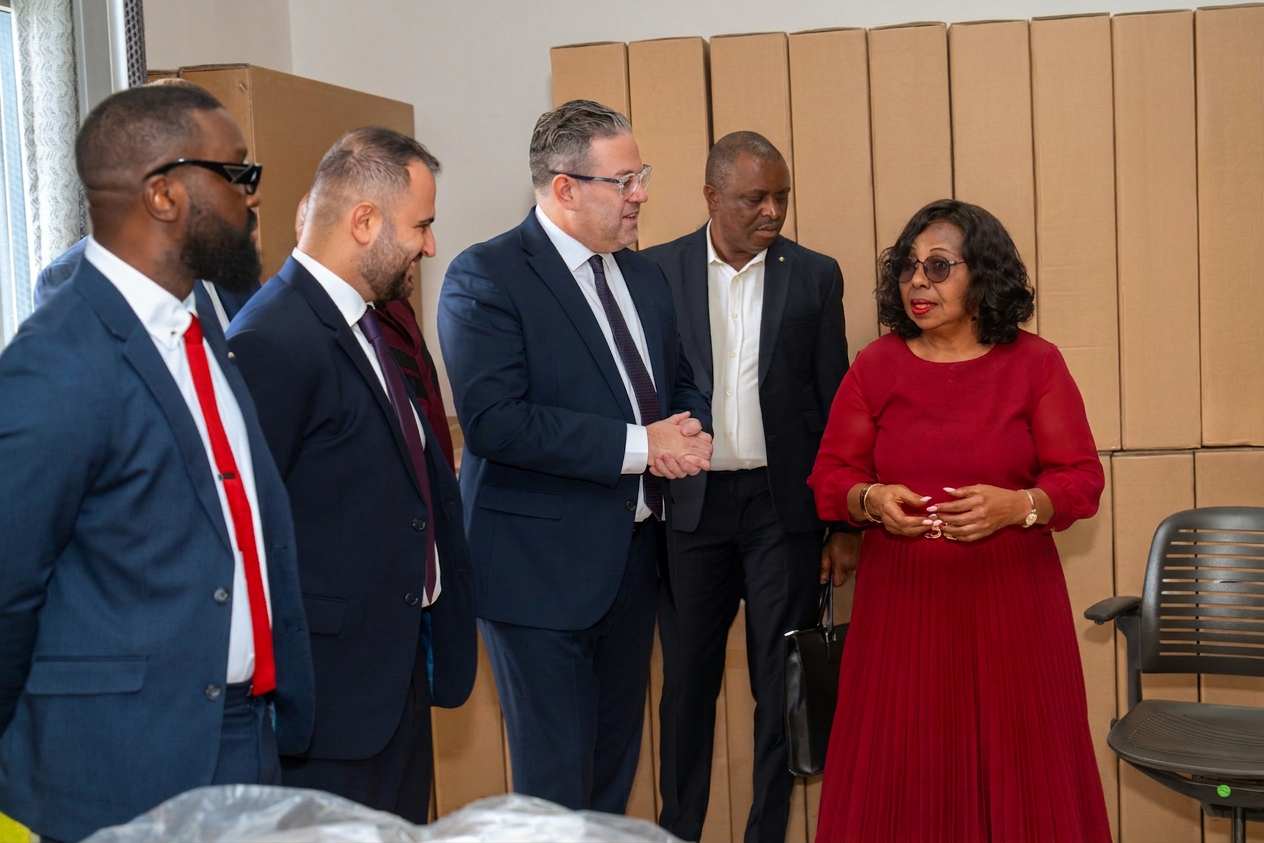
The Second Cohort Is the Real Test — and It's the One NDX Is Built to Pass
Almost any programme can train its first group of teachers well. The systems that last are the ones that keep the next teacher — the one who arrives after the launch — just as capable, with no visiting trainer, no repeat budget, and no signal required. That's a design choice, and it's the one NDX makes.
Digital Education Should Belong to the Country That Runs It
The hardest question in digital education isn't whether a programme launches well. It's whether the school system owns what it's left with. A platform a country controls keeps working; a platform it merely rents can be switched off from the outside — and too often is.
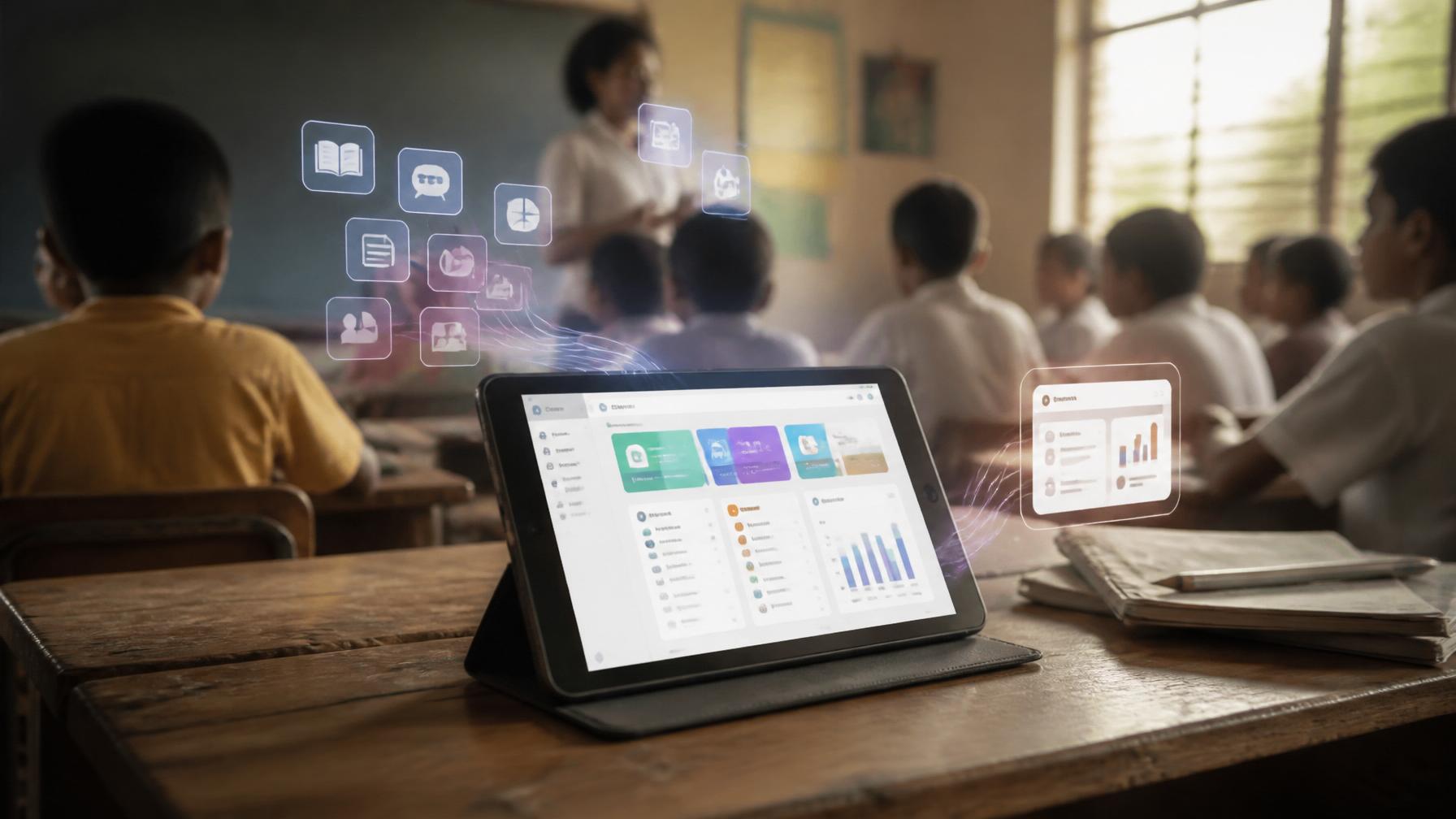
One Platform Beats Ten Apps — Especially Where Connectivity Is Scarce
Every disconnected tool a school system adopts adds a login, a training burden, and a point of failure. For ministries building at national scale, coherence is not a nicety — it is the difference between a system that holds and one that fragments.
"Offline-First" Is a Policy Choice, Not a Technical One
When a system is designed to work without the cloud, it isn't lowering its ambitions — it's deciding who gets to be included. Here's why offline capability belongs in the ministry conversation, not just the engineering one.

The $30 Billion Rethink: Why the World Needs a Different Model of EdTech — and What NDX Is Building
A widely shared analysis by World Bank education specialist Cristóbal Cobo warns that decades of edtech spending have turned students into consumers without lifting learning outcomes. We agree with the diagnosis — and it is exactly the problem NDX was built to solve.

Edge AI, Small Language Models and the End of Hyperscale Dependence
Why the future of artificial intelligence may fit in the palm of your hand — and what recent announcements from Microsoft, NVIDIA and Google mean for emerging countries.
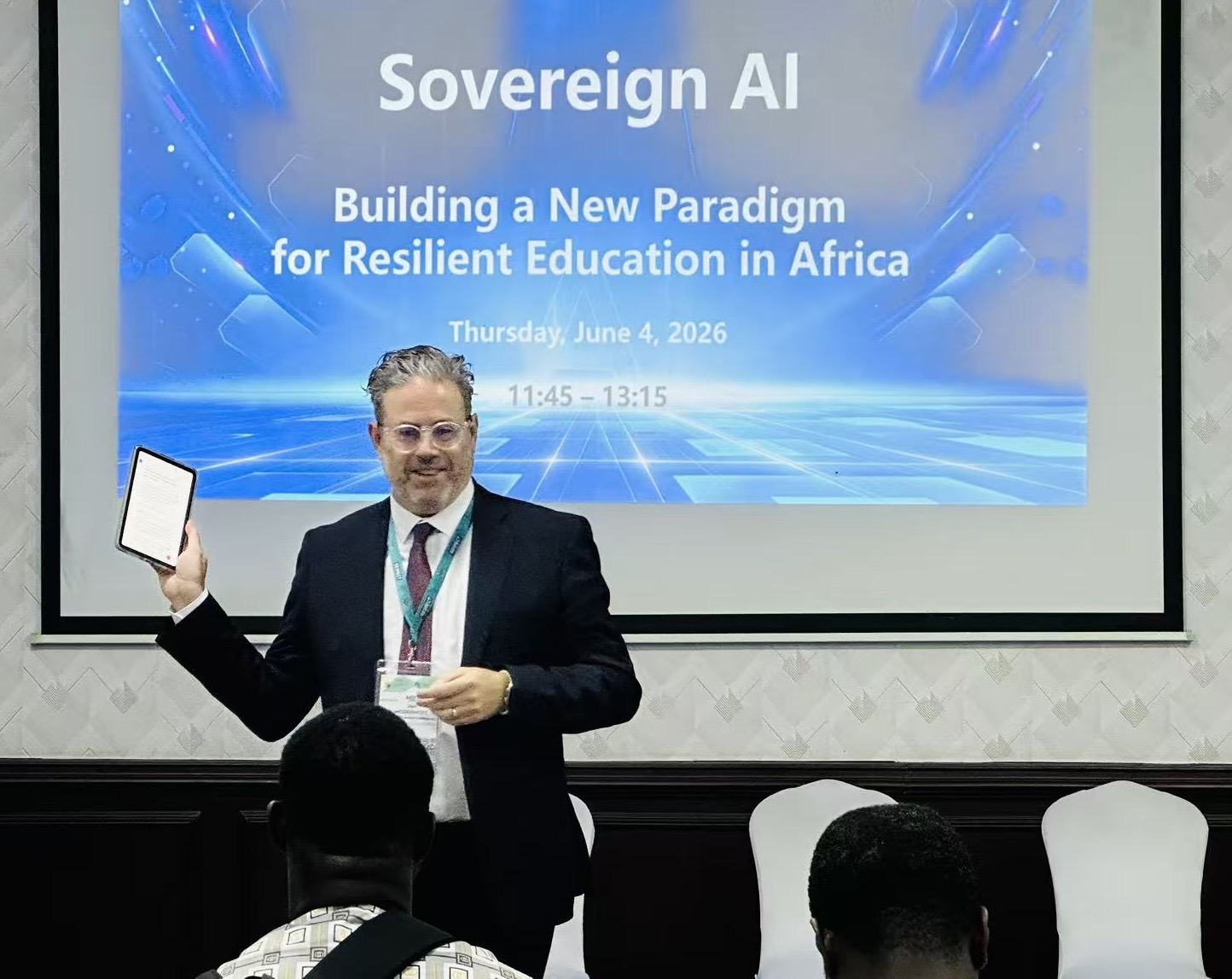
Sovereign AI and the Future of Education: Key Themes from eLearning Africa 2026
Ministers, policymakers and education leaders convened in Accra to debate not whether AI will reshape education — but how countries can govern, sustain and scale it on their own terms.
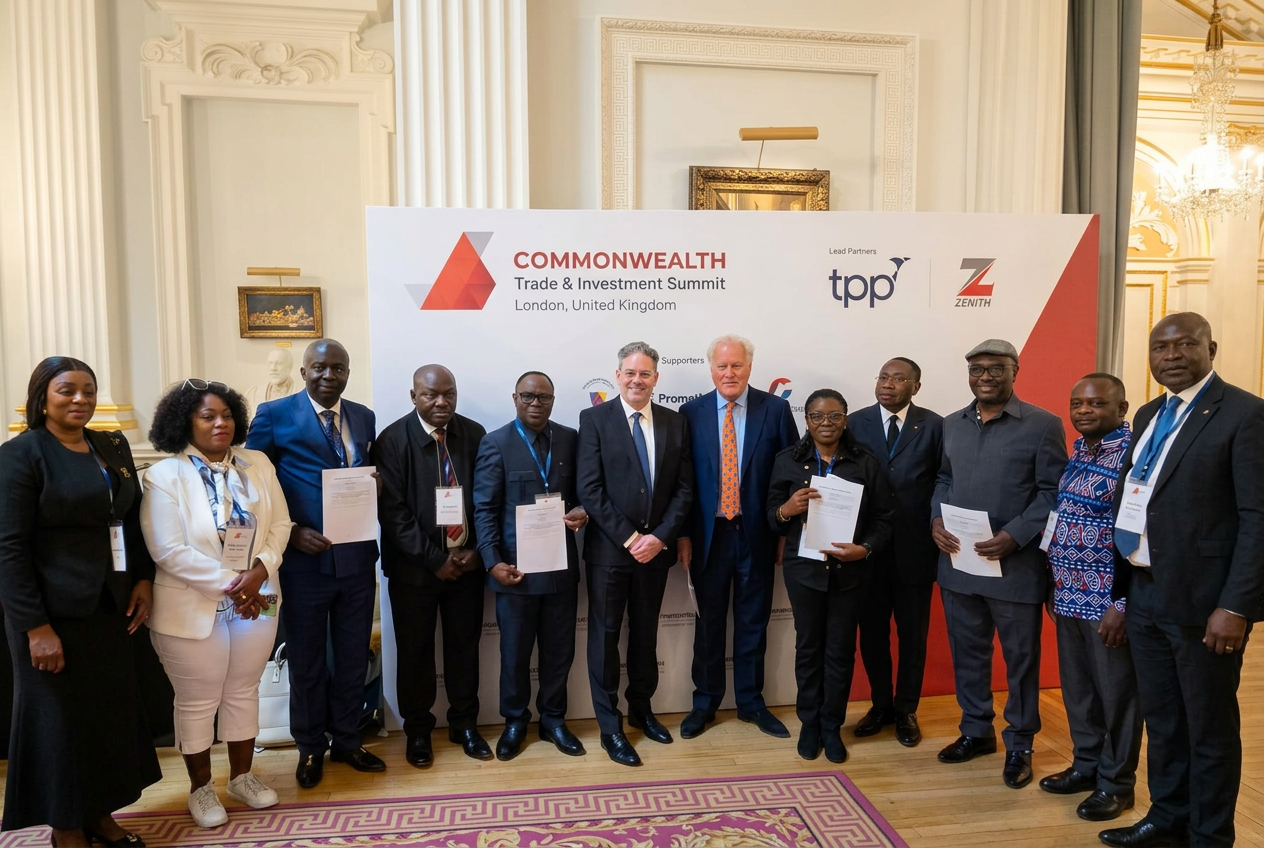
Commonwealth Trade & Investment Summit 2026: Turning Dialogue into Action
At Mansion House in London, NDX joined heads of state, ministers and business leaders to move the conversation on digital education from ambition to signed commitments.
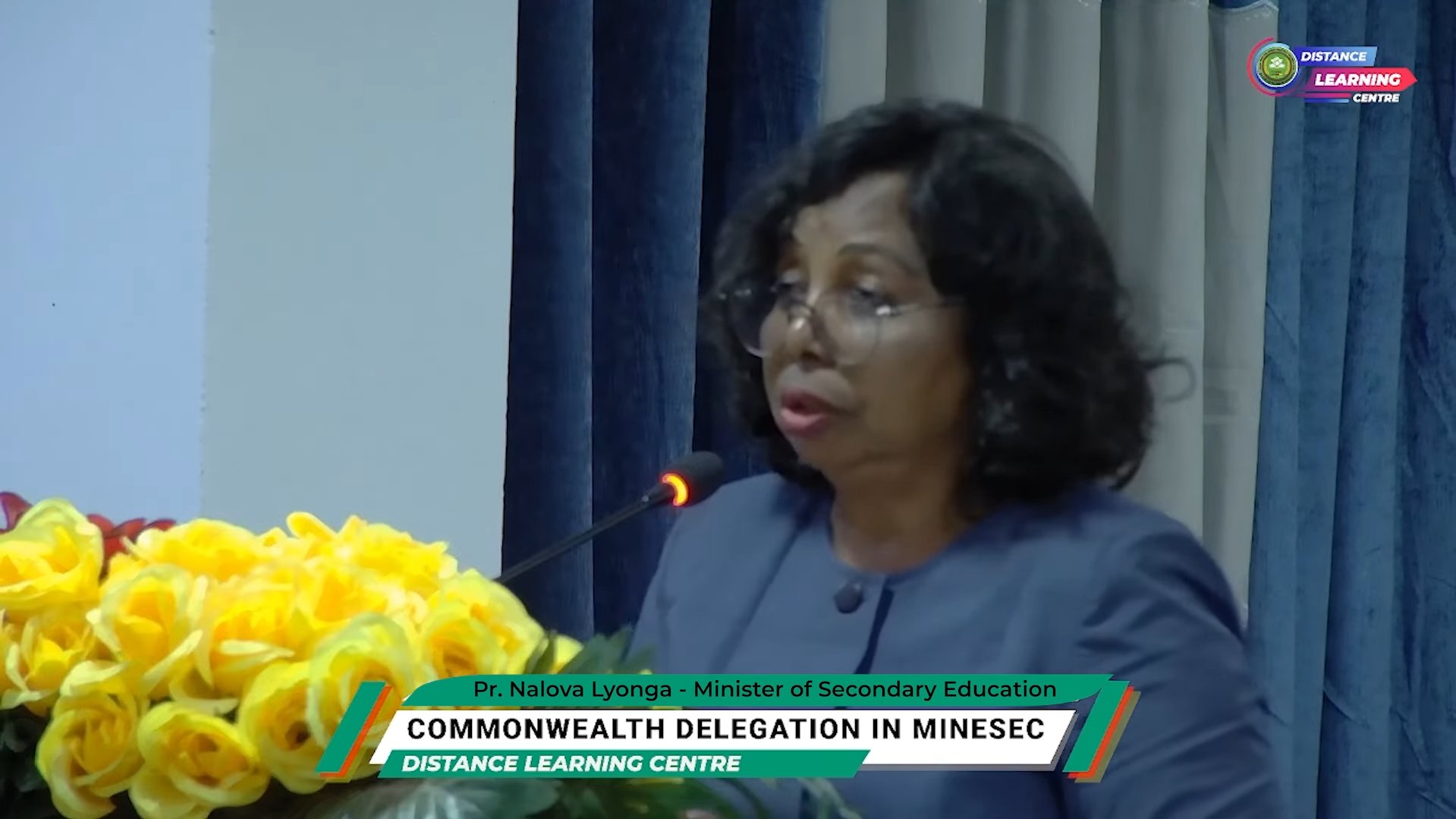
Empowering Classrooms in Cameroon: A New Era of Digital Learning
A national pilot with MINESEC is turning Cameroon's secondary classrooms into intelligent learning spaces — combining classroom hardware, digital content and hands-on teacher training to reach more than 152,000 students.
MINESEC and NDX Partner to Advance Digital Education in Cameroon
Cameroon's Ministry of Secondary Education and NDX have signed a landmark agreement to digitally transform 250 schools under the World Bank-supported PADESCE programme.
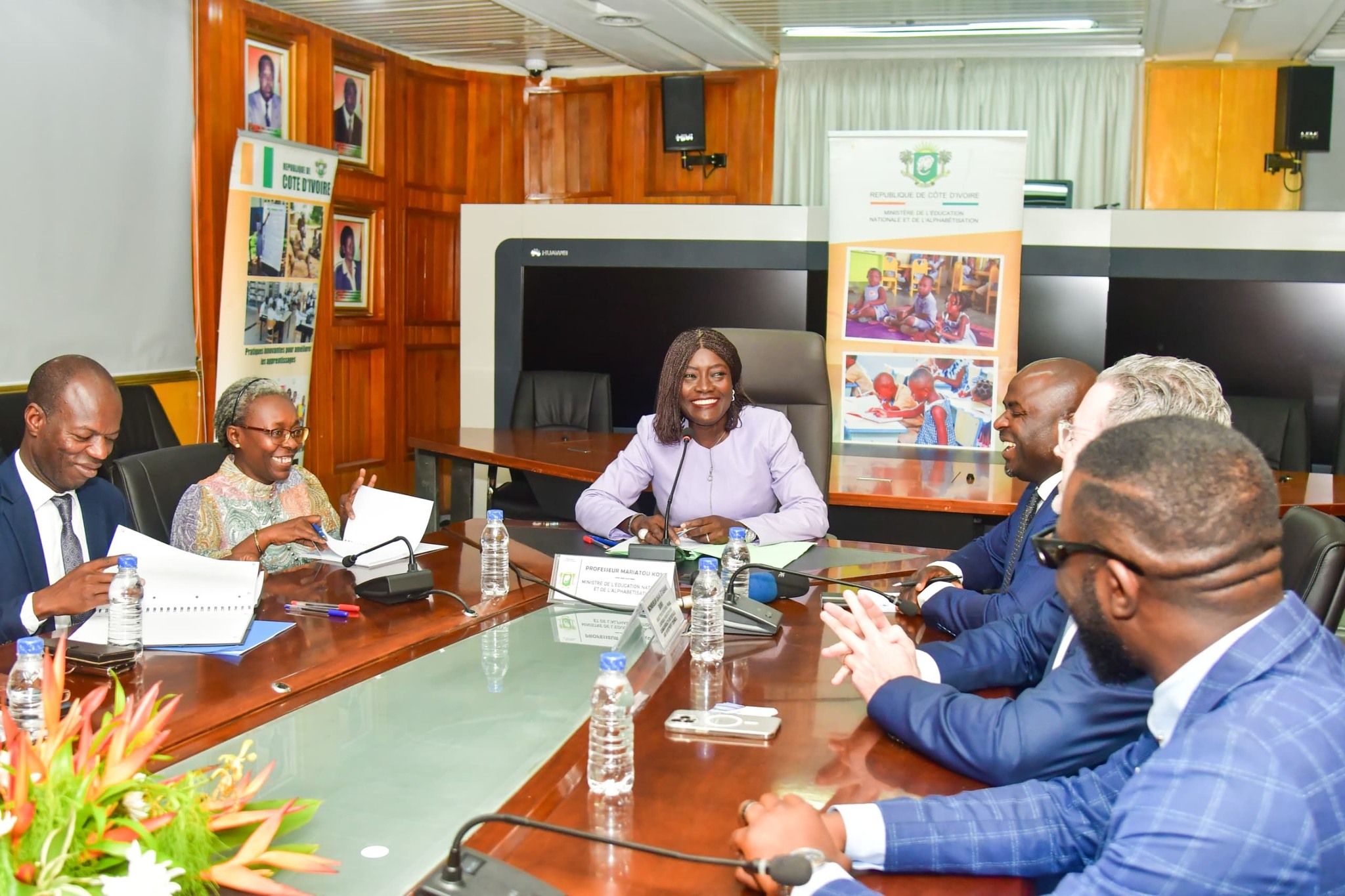
Strengthening the Digitalisation of Education: Commonwealth Praises Côte d'Ivoire's Model and Minister Mariatou Koné's Leadership
In Abidjan, Minister Mariatou Koné welcomed a Commonwealth delegation to deepen partnership on digital education — positioning Côte d'Ivoire as a regional reference model for modernising learning across Africa.
Modernise classrooms across your whole country.
We work with ministries and school systems across Africa, the Middle East and Asia-Pacific to bring teachers, learners and curriculum-aligned AI onto one platform — built for real classrooms.