

Sovereign AI and the Future of Education: Key Themes from eLearning Africa 2026
Ministers, policymakers and education leaders convened in Accra to debate not whether AI will reshape education — but how countries can govern, sustain and scale it on their own terms.
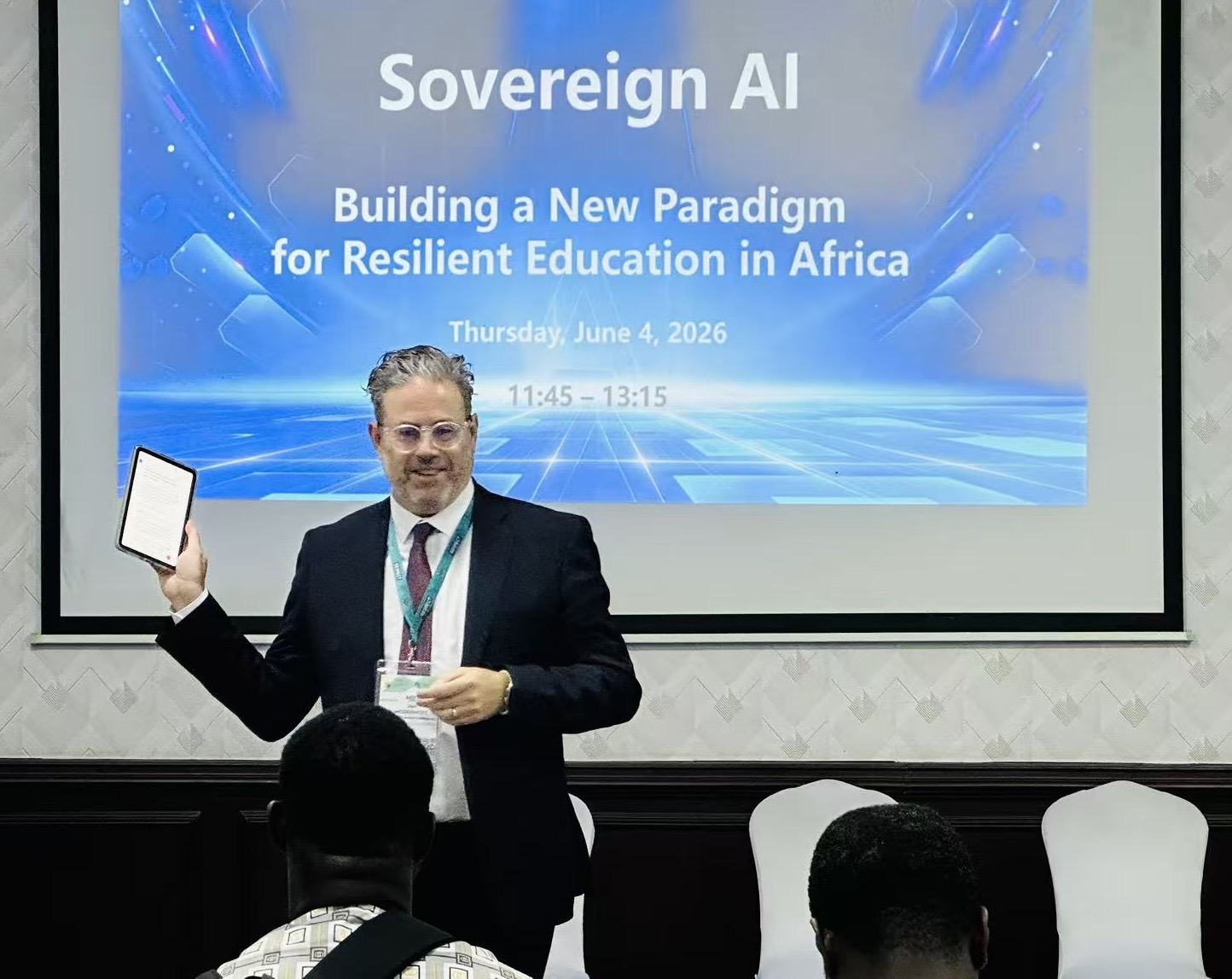
eLearning Africa 2026 brought together ministers, policymakers, educators, researchers, development organisations, and technology leaders from across the continent to explore the future of education and digital transformation in Africa. Among the most significant themes emerging from the conference was the growing focus on Sovereign AI and the capabilities required for countries to shape their own digital futures.
One of the featured discussions, Sovereign AI: Building a New Paradigm for Resilient Education in Africa, examined how governments and education systems can develop AI capabilities that align with national priorities while maintaining agency over infrastructure, data, governance, and educational outcomes.
Speaking during the session, Jon McDermott argued that the conversation around AI in education is entering a more mature phase.
“The focus is shifting from the capabilities of AI itself to the capabilities countries need to build around it — governance, skills, infrastructure, data stewardship, and institutional capacity. Those foundations will ultimately determine whether AI delivers sustainable educational value.”
That perspective reflected a broader trend visible throughout the conference. Across ministerial discussions and policy forums, conversations moved beyond the question of what AI can do and increasingly focused on how countries can govern, implement, and scale AI responsibly.
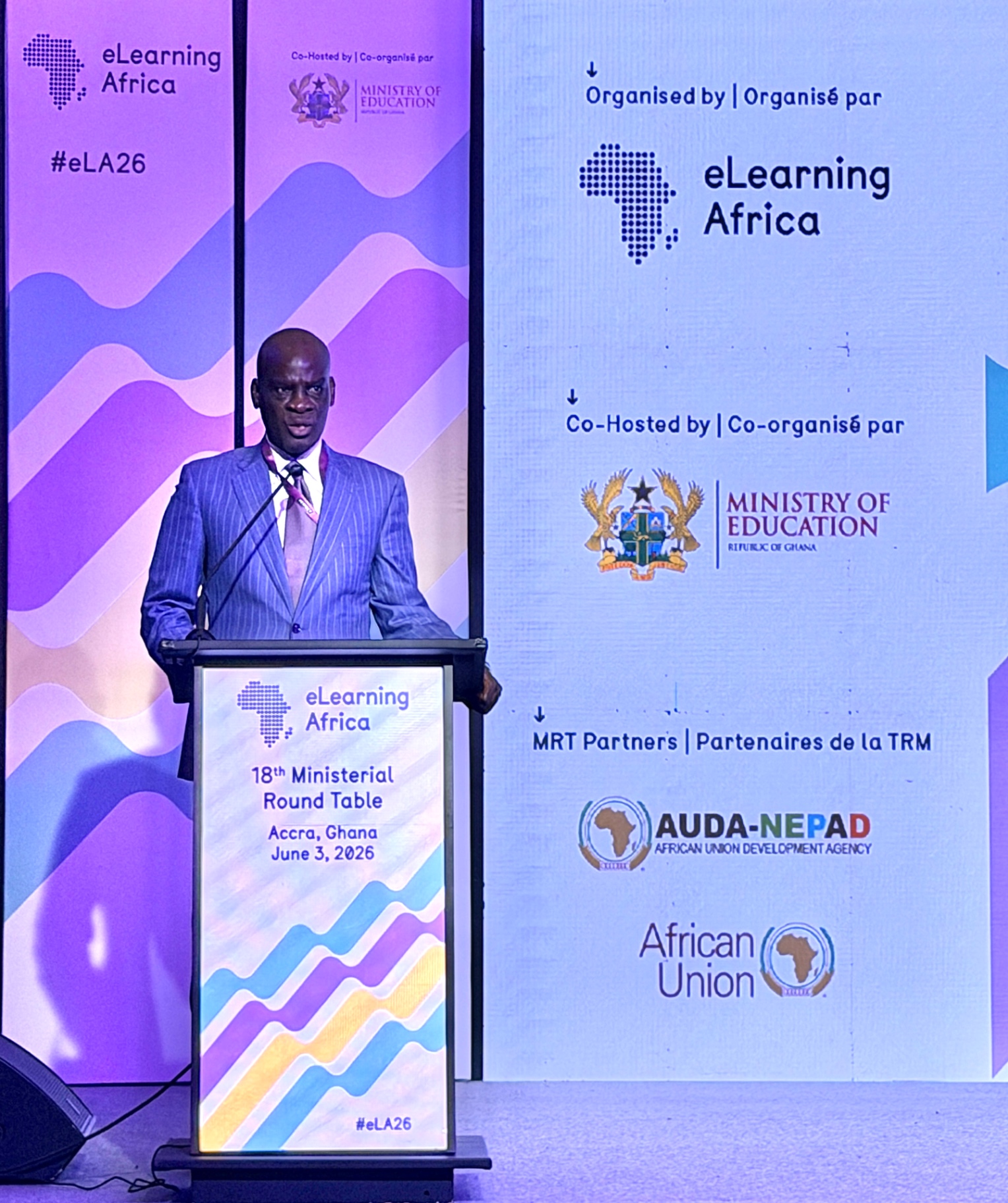
Beyond adoption to ownership
A recurring theme throughout the event was that Africa's role in the AI era should not be limited to adoption.
Education leaders increasingly recognise that long-term success requires more than access to technology. It requires the development of national capabilities, governance frameworks, digital infrastructure, and data stewardship models that allow countries to shape how AI is developed and applied within their own contexts.
This shift represents an important evolution in thinking. Rather than asking simply how AI can be deployed, policymakers are increasingly asking how AI can be governed, sustained, and aligned with national priorities over the long term.
Building sovereign capability
The concept of Sovereign AI featured prominently throughout the conference and was consistently framed not as technological isolation, but as strategic capability.
Discussions highlighted the importance of developing national capacity across several interconnected areas:
- Digital infrastructure and cloud capabilities
- National AI strategies and governance frameworks
- Local skills development and workforce readiness
- Data stewardship and responsible AI practices
- Institutional capacity across ministries and education systems
These foundations are increasingly being viewed as prerequisites for long-term digital resilience and educational transformation.
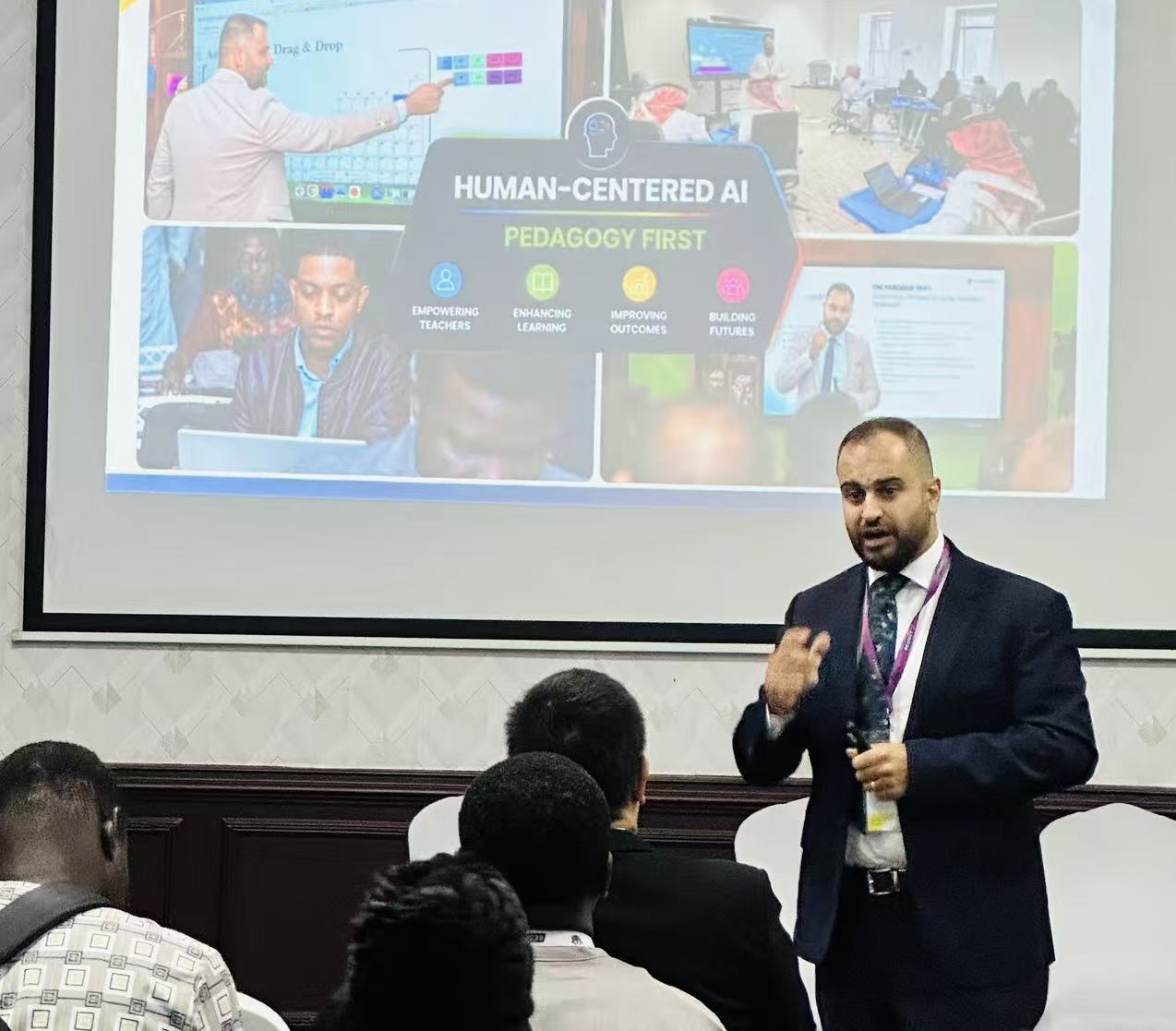
Partnerships built on equity
Another strong theme emerging from the conference was the importance of partnerships that build local capability rather than dependency.
National Ministers of Education highlighted the need for African solutions to African challenges, developed through partnerships that create sustainable value and strengthen local ecosystems.
The message resonated with many delegates. As countries accelerate AI adoption, there is growing recognition that successful partnerships must be collaborative, equitable, and aligned with national priorities.
Commenting on this shift, McDermott noted:
“Africa has an opportunity not only to benefit from AI, but to help shape its development. The most successful initiatives will be those built through partnerships that combine global expertise with local ownership, local capability, and long-term national objectives.”
A more mature conversation
Perhaps the most notable takeaway from eLearning Africa 2026 was the maturity of the dialogue.
Ministers, policymakers, and education leaders were not debating whether AI will have an impact on education. Instead, discussions focused on the practical foundations required to harness that impact effectively and responsibly.
Governance. Skills. Infrastructure. Data stewardship. Institutional capacity.
These themes surfaced repeatedly throughout the week and reflect a growing understanding that technology alone is not enough. Sustainable transformation requires the systems, capabilities, and leadership needed to support it.
As AI continues to evolve, Africa has a unique opportunity not only to benefit from technological advancement but also to play an active role in shaping how these technologies are developed and applied in education. The discussions in Accra demonstrated both the ambition and the leadership required to realise that opportunity.
The challenge now is to translate that vision into action.
eLearning Africa 2026 brought together education leaders, policymakers, practitioners, and technology innovators from across the continent to explore the future of education, skills development, and digital transformation in Africa.